
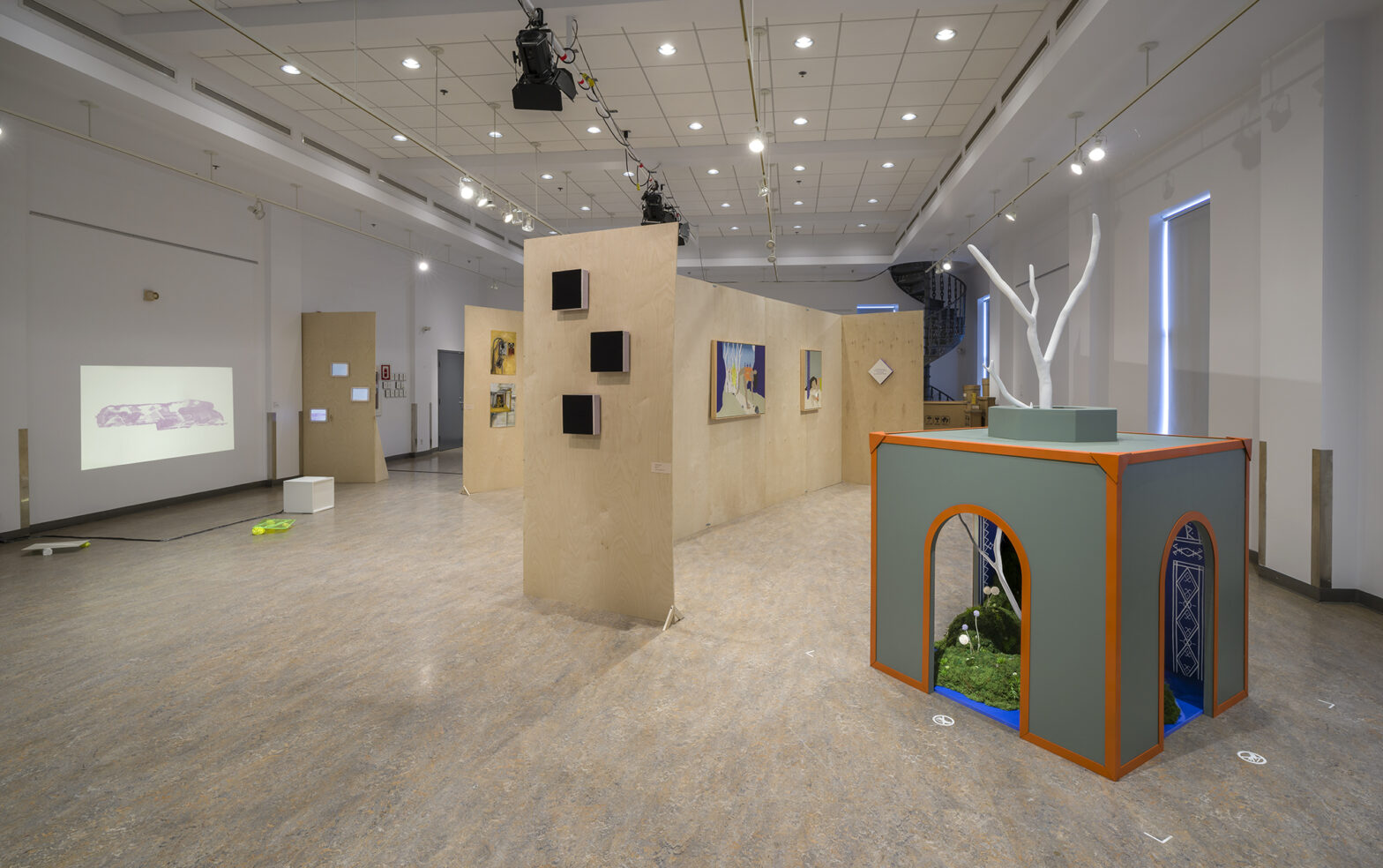
From September 4 to 28, 2025, the Musée d’art actuel / Département des invisibles (MAADI) presented works by Claudia Bernal, Maryam Izadifard, Natacha Clitandre, Livia Daza-Paris, Rojin Shafiei, Isabelle Lapierre, Alexis Gros-Louis, Nadia Gagné, and Clara Tissot at the Centre culturel Georges-Vanier (Georges-Vanier Cultural Center).
From September 4 to 28, 2025, the Musée d’art actuel / Département des invisibles (MAADI) presented works by Claudia Bernal, Maryam Izadifard, Natacha Clitandre, Livia Daza-Paris, Rojin Shafiei, Isabelle Lapierre, Alexis Gros-Louis, Nadia Gagné, and Clara Tissot at the Centre culturel Georges-Vanier (Georges-Vanier Cultural Center).
Since the MAC-i (2018), artist Stanley Février has served as artist-collector, chief curator, and director of the MAADI. This performative work follows in the tradition of artist-run museums rooted in institutional critique, such as Marcel Broodthaers’ Museum of Modern Art, Department of Eagles and Fred Wilson’s exhibition Mining the Museum (1992), which serve as its models. This nomadic museum relentlessly rethinks the institution dedicated to contemporary art and celebrates the contribution of artists from all walks of life to cultural vitality.
Over the years, Stanley Février has thus acquired works with which he carries out infiltrative and subversive actions within cultural institutions. This new iteration of MAADI brings together works purchased for MAADI and works by artists invited for the occasion. It was initially conceived for a presentation at Château Dufresne, a museum and historic heritage site, alongside a documentary exhibition highlighting the creation of the Musée d’art contemporain de Montréal (MAC) in the building 60 years ago. In December 2024, however, the institution withdrew from the project, citing a lack of funds.
True to his determination to turn the obstacles he encounters into a starting point—and in homage to the commitment of the artists of that era who contributed to the creation of the MAC—Stanley Février, together with Marie Perrault, the guest curator for the occasion, decided to move forward with the presentation regardless. The participating artists reaffirmed their trust in them and supported them in this project, which had become uncertain and even exploratory. Similarly, the many individuals and cultural organizations approached to host the exhibition showed their solidarity. The exhibition thus paints a portrait of a unique and supportive community upon which the dynamism and resilience of the visual arts scene in the heart of MAADI rest.
This performative museum has evolved since its inception to include a plurality of voices. It contributes to power-sharing within institutions, democratizes their governance, and decolonizes their narratives by addressing the root causes of systemic exclusion and power imbalances. This iteration is no exception. Throughout the process of bringing this exhibition to fruition, the inner workings of cultural institutions—both their dynamism and their ossified processes—have been laid bare. The exhibition as a whole thus explores the strengths and limitations of the local art scene.
Furthermore, the selected works all stem in part from a search for identity; taken together, they offer a mosaic of diverse individual perspectives.
In conclusion, I’d like to quote Naomi Fontaine, speaking to each of us from an Indigenous perspective: “You will only truly know us when the whole gives way to the individual.” (1)This is the quest for identity highlighted by this exhibition.
- Naomi Fontaine, Shuni, Montreal: Mémoires d’encrier, 2020. (In French, translated here by Linguee DeepL)
Claudia Bernal
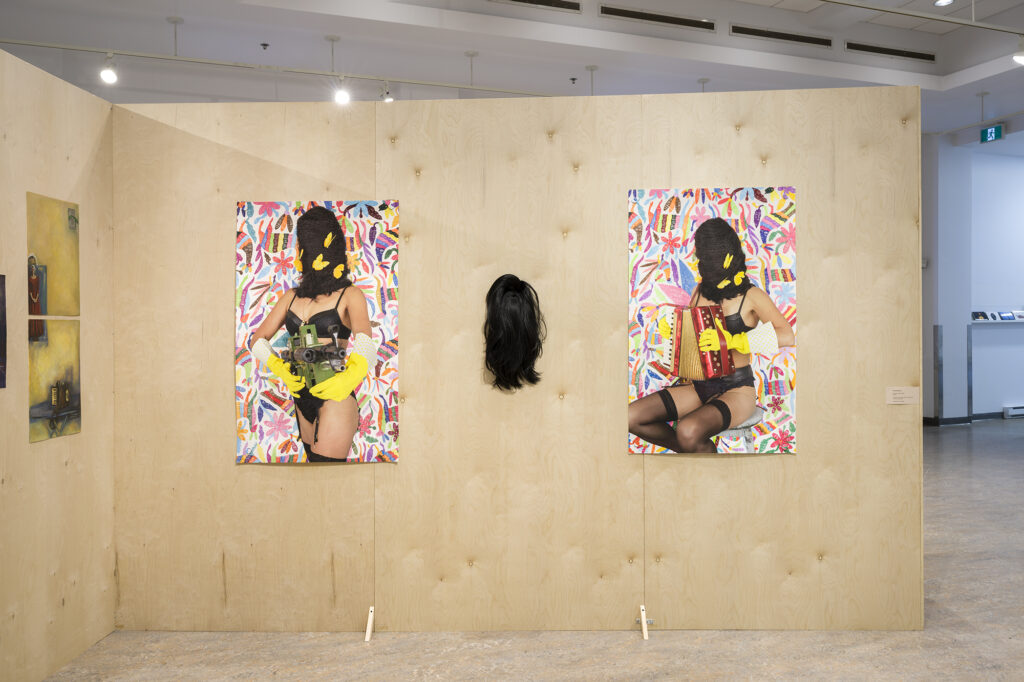
These photographic works capture Claudia Bernal’s performances, in which she reenacts—in the form of rituals—repetitive daily gestures and stereotypes associated with female identity, using movements that are at times delicate and poetic, and at other times violent and spasmodic. Photography captures the disruptive power of the original performances. By appropriating these representations of the female experience, the artist liberates herself from them, redefining them with complete autonomy and independence.
Maryam Izadifard
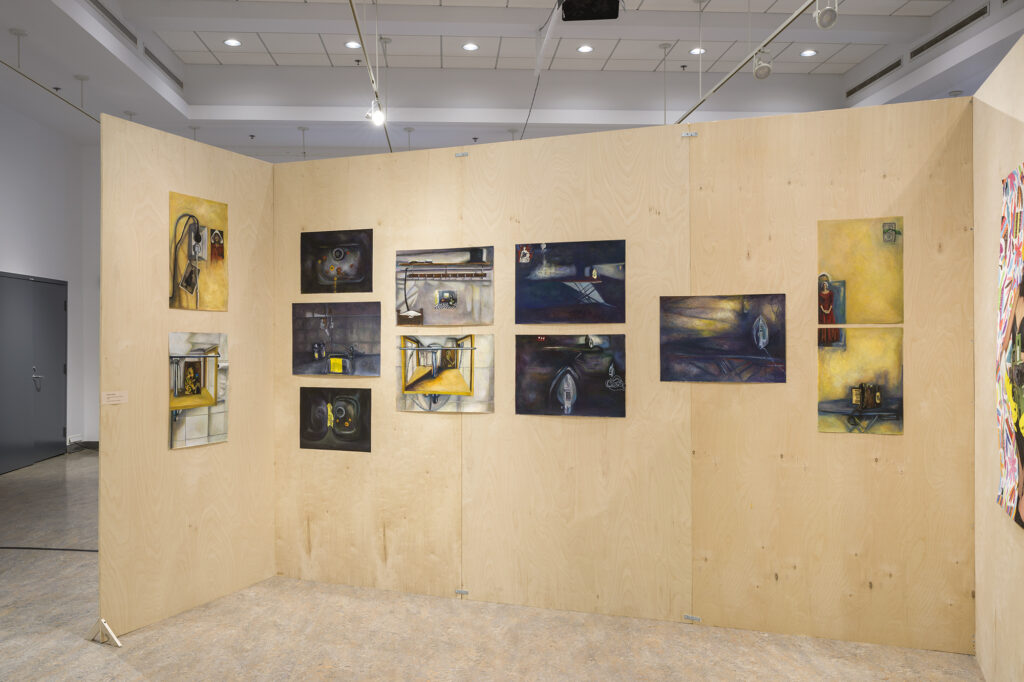
In this series of paintings, Maryam Izadifard depicts ordinary, almost insignificant objects from the domestic sphere, bathed in a light that lends them an almost religious aura. She thus integrates into this sanctified everyday life representations of women drawn from religious paintings and icons, or inspired by the main character of Margaret Atwood’s novel The Handmaid’s Tale. Her perspective thus approaches familiar places as spaces of alienation and gives form to the themes of loneliness and isolation, which are central to her artistic practice.
Natacha Clitandre
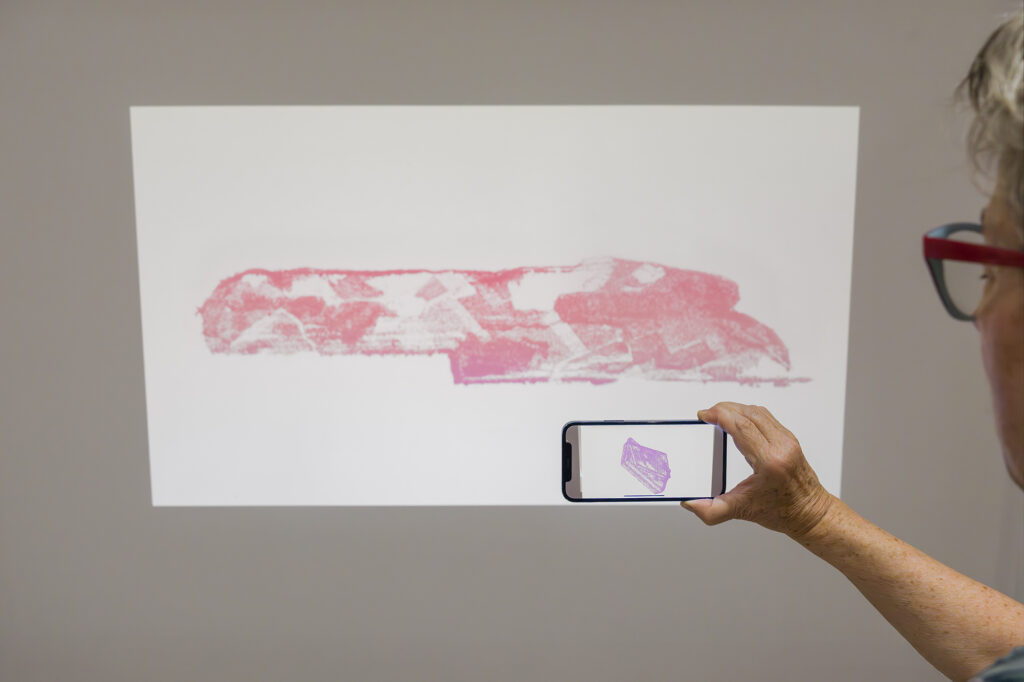
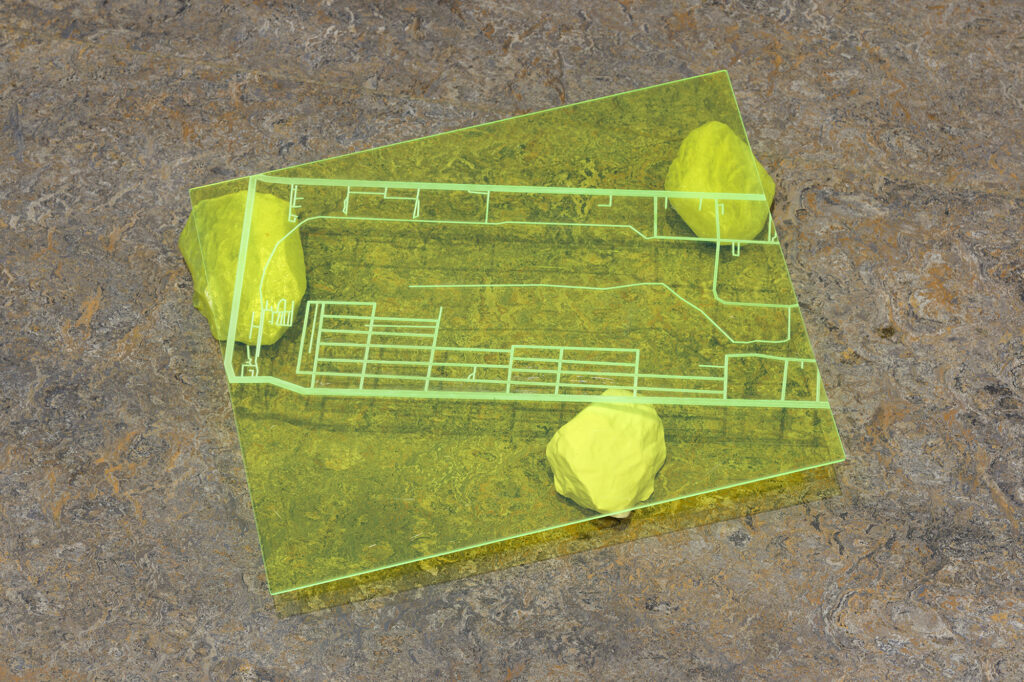
The work examines the former Francon quarry, a Montreal industrial wasteland whose visibility is fragmented and whose representation in the collective imagination is incomplete. On the City of Montreal’s maps, the void left by this wasteland conceals the barrenness of a large portion of the Saint-Michel neighborhood, as well as the negative impact on quality of life caused by the municipal operations taking place there. In fact, 40% of the snow collected each winter across the entire city is dumped there. This situation causes heavy truck traffic on adjacent residential streets—up to 300 heavy vehicles per hour, day and night. This former mining site also serves as a dangerous physical barrier that complicates movement within the neighborhood and restricts access to it. Yet, after dark, people secretly explore parts of this contaminated post-industrial site. The multiple layers of ice and gravel, the mountains of “eternal snow” that accumulate in this gaping mineral wound—dotted with vegetation and trash—contribute to the site’s post-apocalyptic atmosphere.
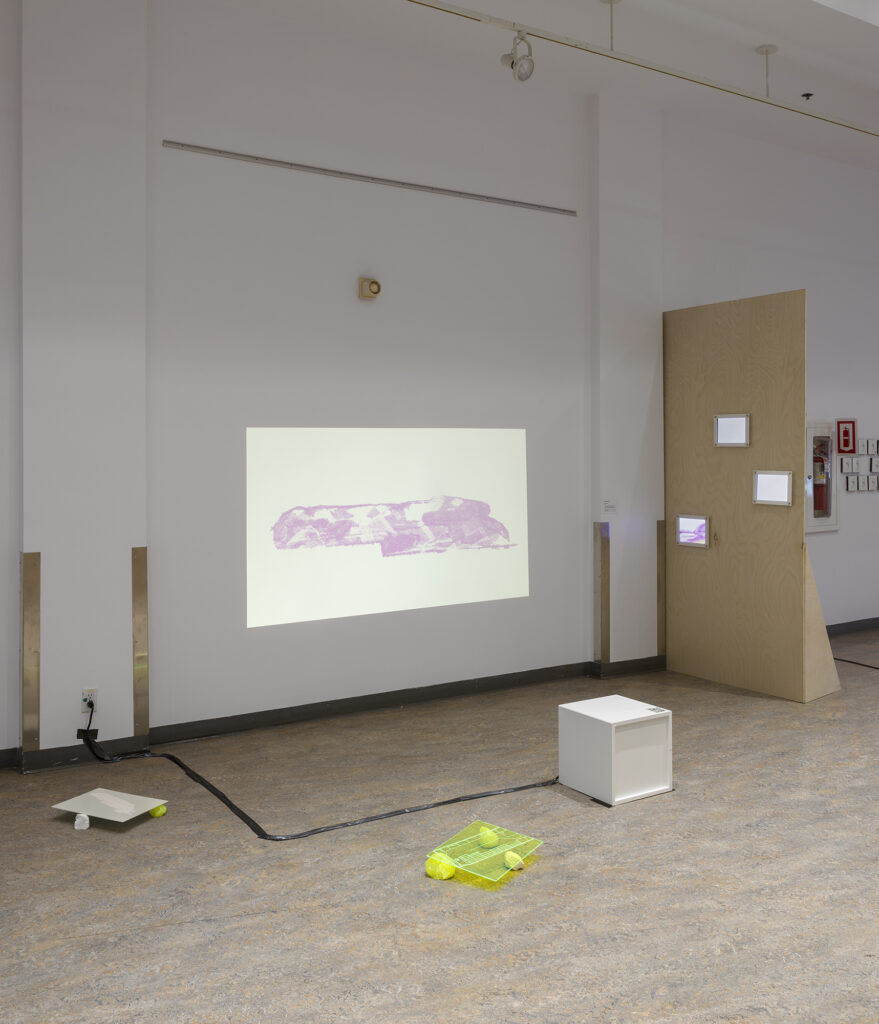
In collaboration with the Maison d’Haïti, the artist invited local teenagers to participate in urban ideation workshops where they shared their experiences of the area and voiced their opinions on the potential redevelopment of the former quarry. She also offered 3D modeling and AI literacy activities highlighting the invisibility of the residents’ imaginations and the biases resulting from the media’s incomplete portrayal of their daily lives. The 3D models of objects symbolizing the aspirations of young people—integrated into video sequences presented in the appendix alongside an overview of the site—propose transforming this area into a vessel for the visions of young Montrealers regarding their living environment.
Livia Daza-Paris
These three videos document flash interventions carried out at iconic Montreal landmarks: Notre-Dame Basilica, the Mount Royal Lookout, and Notre-Dame-des-Neiges Cemetery. In them, the artist holds life-size photographs of her father—a victim of a political disappearance in Venezuela—taken during family moments. She uses these photographs as testimonies that counter oblivion and shed light on the lives of people whose deaths remain unexplained. In contrast to the tourist ritual of taking selfies at iconic sites, her act instead serves as a disruptive presence within these public spaces. It embodies a form of artistic resistance denouncing the U.S. interventions that enabled forced disappearances in Venezuela in the 1960s.
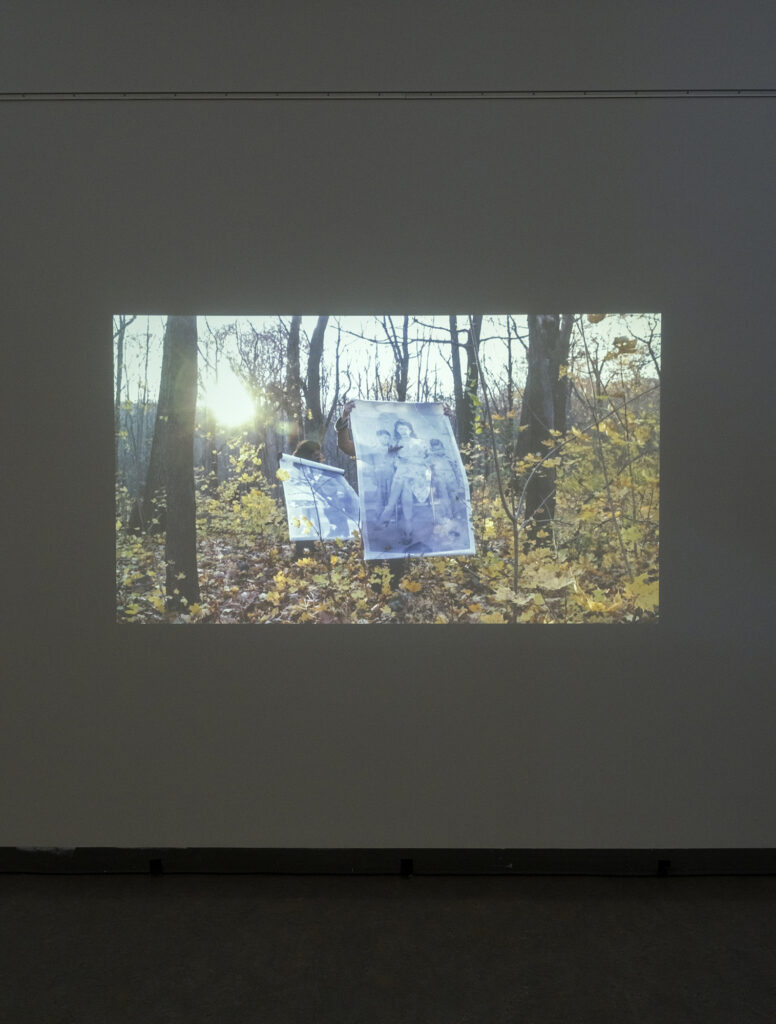
Forced to leave her country under troubled circumstances, Livia Daza-Paris lived in Montreal for 18 years. Her work also highlights the diverse circumstances of the people who make their home there. Taking advantage of her return to the city for this exhibition, the artist staged two new performance pieces there: one in front of the U.S. Consulate and the other in front of the former Venezuelan Consulate offices, which are now closed due to strained diplomatic relations between Venezuela and Canada.
Isabelle Lapierre
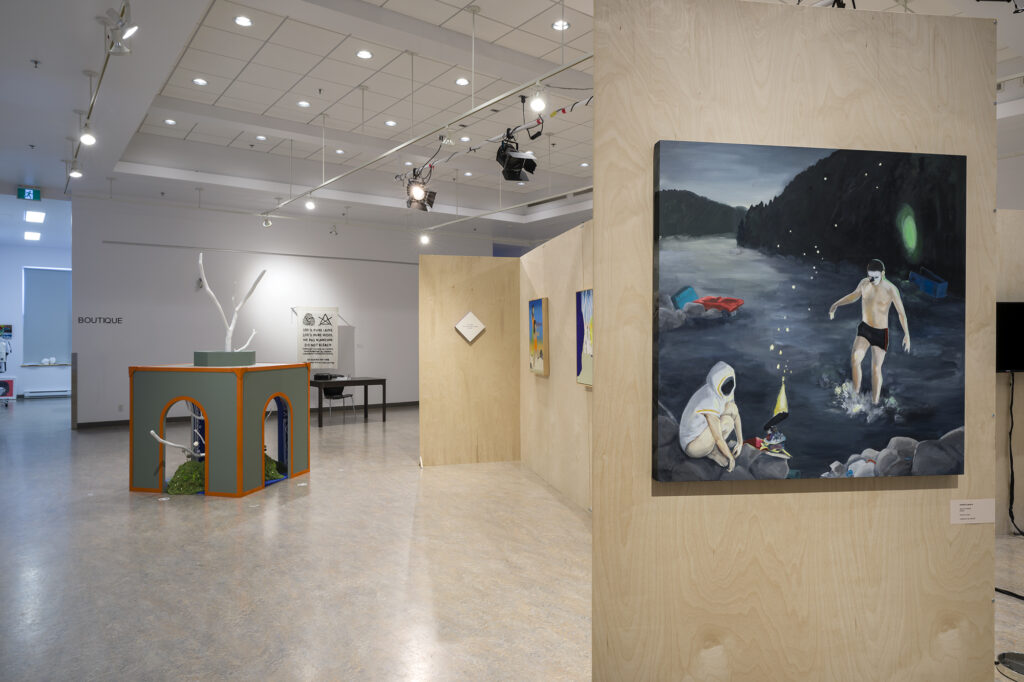
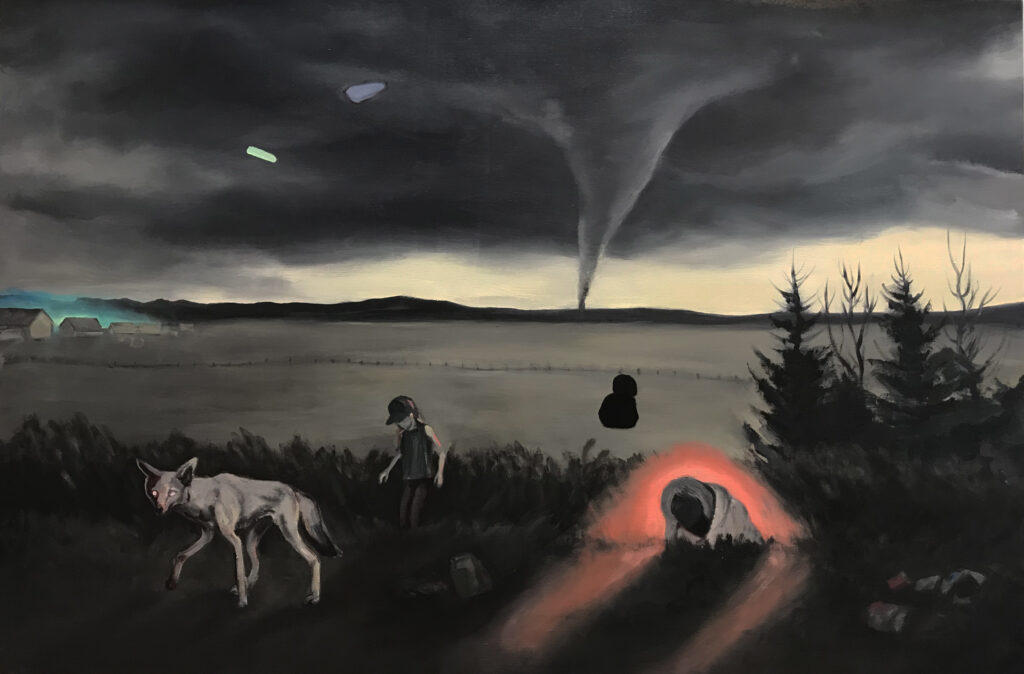
In her works, Isabelle Lapierre highlights the creative act as a means of connecting with the world and making visible the bonds that are initially invisible. With a sensitivity unique to her inner life, she creates scenes of magical realism that invite us to explore our imaginary landscapes and take action in the real world. Already evident in these works from 2022 is the notion of opposition and contrast that she revisits in the piece DIY Wi-Fi Session, reproduced on a monumental scale for the 2024–25 season of Théâtre La Bordée (Quebec City), themed “Clash.” Here, individuals carry out actions within imaginary nighttime landscapes. Light contrasts with darkness, vivid colors with gray tones, dreamlike quality with the apocalyptic nature of the scenes, the warmth of fire with the cold atmosphere, and so on. Faced with what appears to be a magical ritual or a supernatural performance, the artist invites us to bring something into being, just as her protagonists do in the very moment of creation, activating a collective force in which everyone plays a role.
Rojin Shafiei
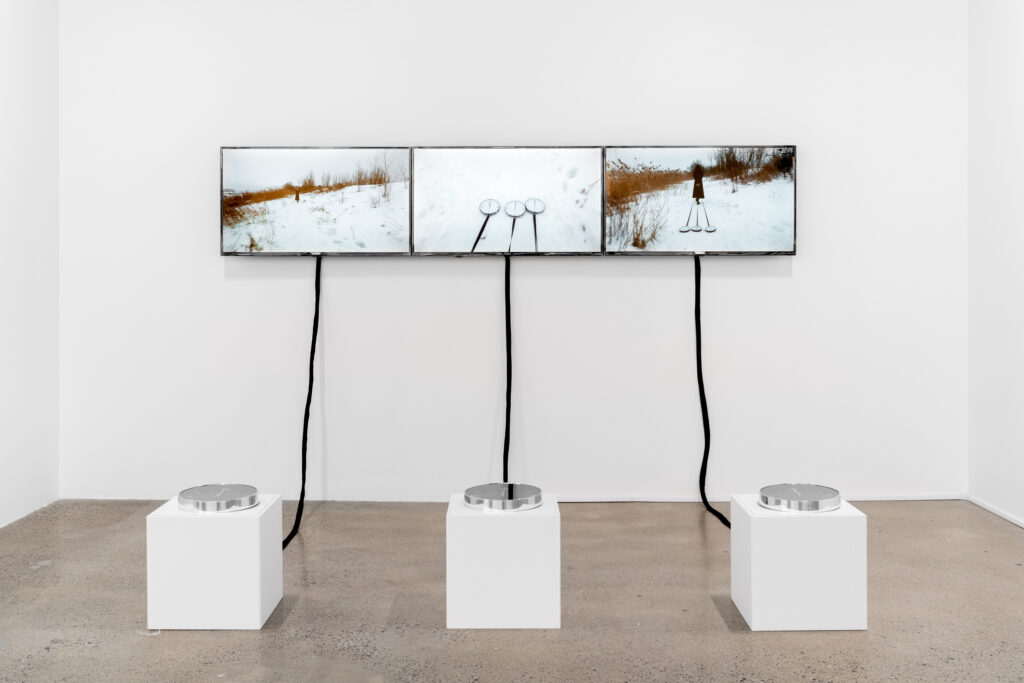
This video installation depicts a woman walking slowly through the snow, dragging three clocks attached to her wrists behind her. In the center, a close-up shows the clocks sliding through the snow; on the left, a woman walks toward us; on the right, she slowly moves away. The present, the past, and the future thus converge at the same patient rhythm. The audience was invited to pick up the same clocks placed on the gallery floor and, through this gesture, connect with the performer. Speakers concealed within these objects transformed the sounds from the video recording into physical vibrations, inviting us to imagine ourselves in the artist’s experience—elsewhere and in the past. I saw in this invitation to share the experience of the artist—who was born in Iran and presented in contrast to a snowy landscape—a call to imagine one’s own personal story of displacement, immigration, and integration into another society.
Stanley Février
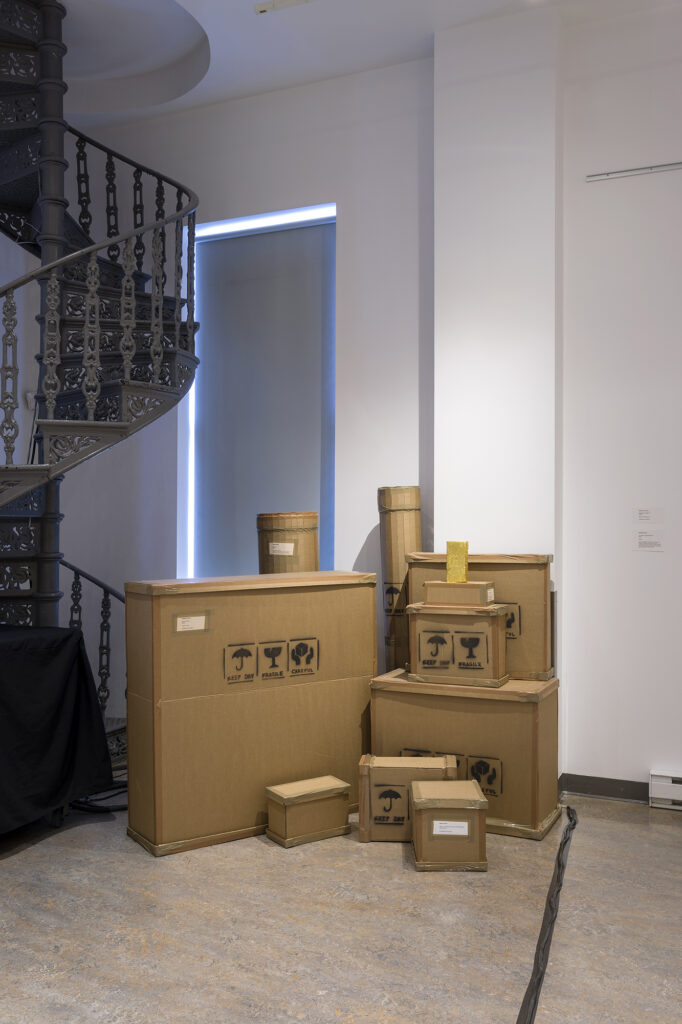
These cardboard representations of empty art transport crates refer to the exhibition project canceled by Château Dufresne, a museum and historic heritage site. Like ghosts, they invite us to reflect on the place of works of art and the value of the relationships that institutions maintain with artists.
Alexis Gros-Louis
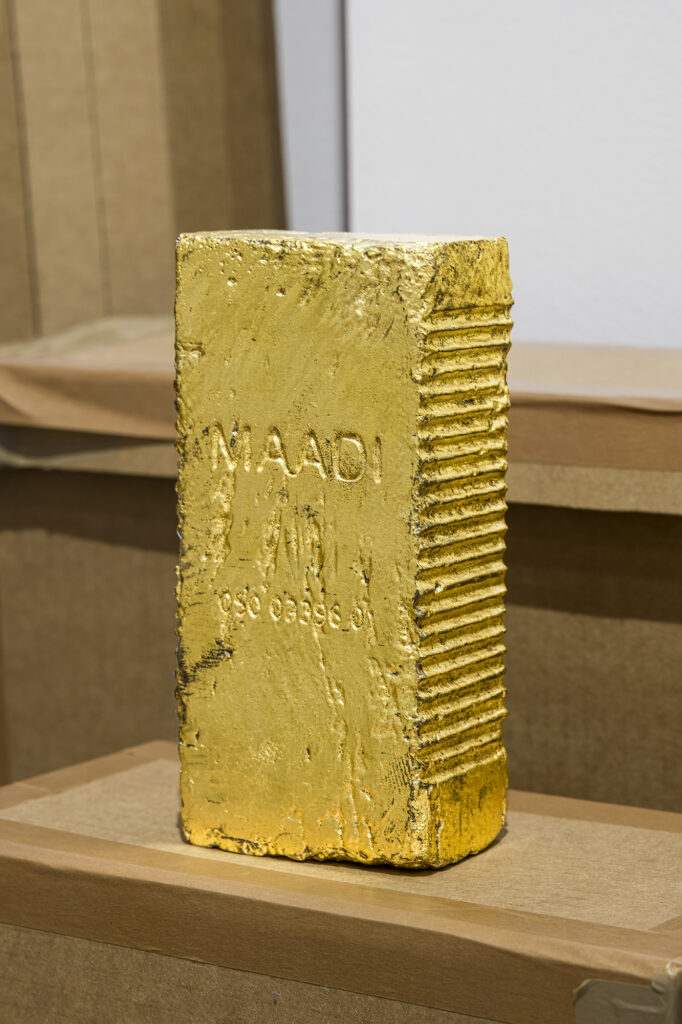
This gold-plated bronze brick is marked with the acronym MAADI, standing for the Museum of Contemporary Art. Department of the Invisible and the serial number 0500 3396 01 associated with Alexis Gros-Louis’s Indigenous status. The reference to MAADI alludes to a plaque created by Marcel Broodthaers as part of the Museum of Modern Art’s Department of Eagles, an artist-run museum that Stanley Février has always identified as the source of his own Museum. In accordance with the artist’s wishes, the presentation of this work within the context of this exhibition was contingent upon its acquisition by the MAADI. Alexis Gros-Louis thus forced its integration into the institution by appropriating the MAADI’s own strategies of infiltration and institutional critique.
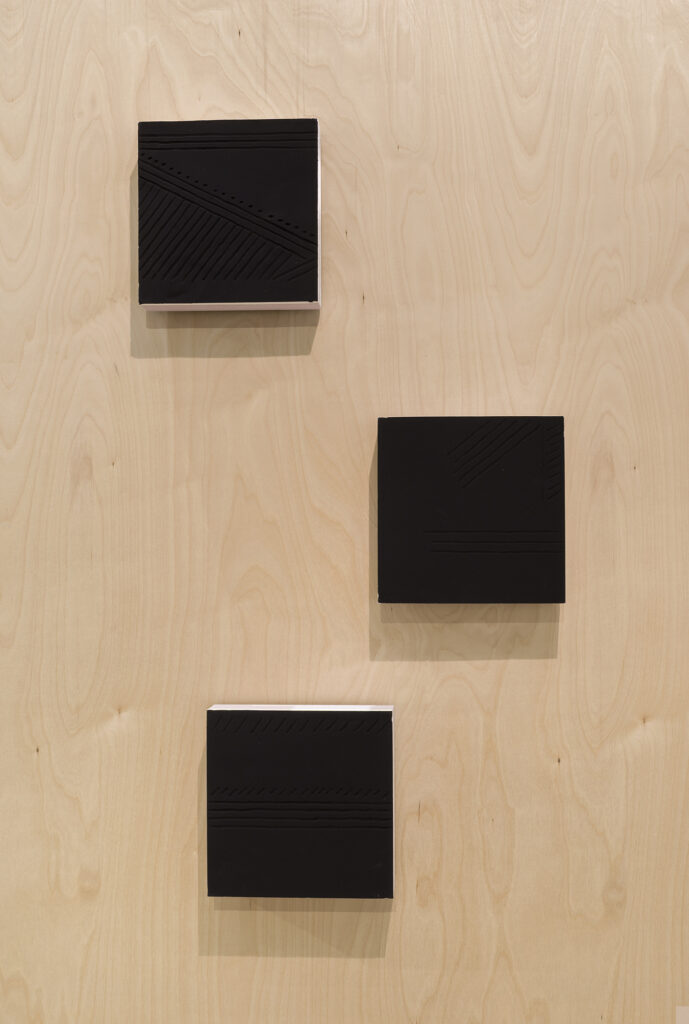
This work incorporates motifs characteristic of the pottery of the Iroquoian peoples of Eastern Canada, which include notably the Wendat—the nation of Alexis Gros-Louis—and the Kanien’kehà:ka. Their impression, cast in relief within a black plaster form, intimately links these emblematic symbols of Indigenous culture to the black square motif inspired by a work by Kasimir Malevich—often interpreted as the first geometric abstraction. This fusion reveals the fundamental differences between Indigenous cultures and those of the colonizer and contrasts their respective evolutions since first contact, thereby highlighting their distinct identities. The list of letters missing from the Wendat language—which serves as the title of the work—points in the same direction and highlights the biases that shape perceptions of these cultures.
Nadia Gagné
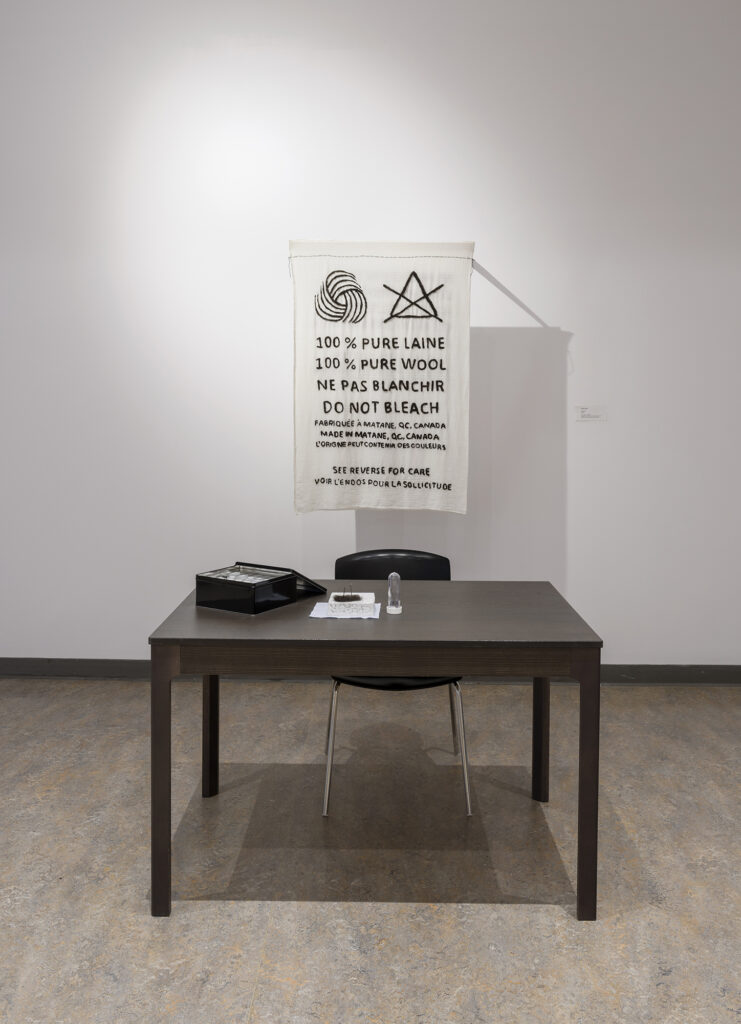
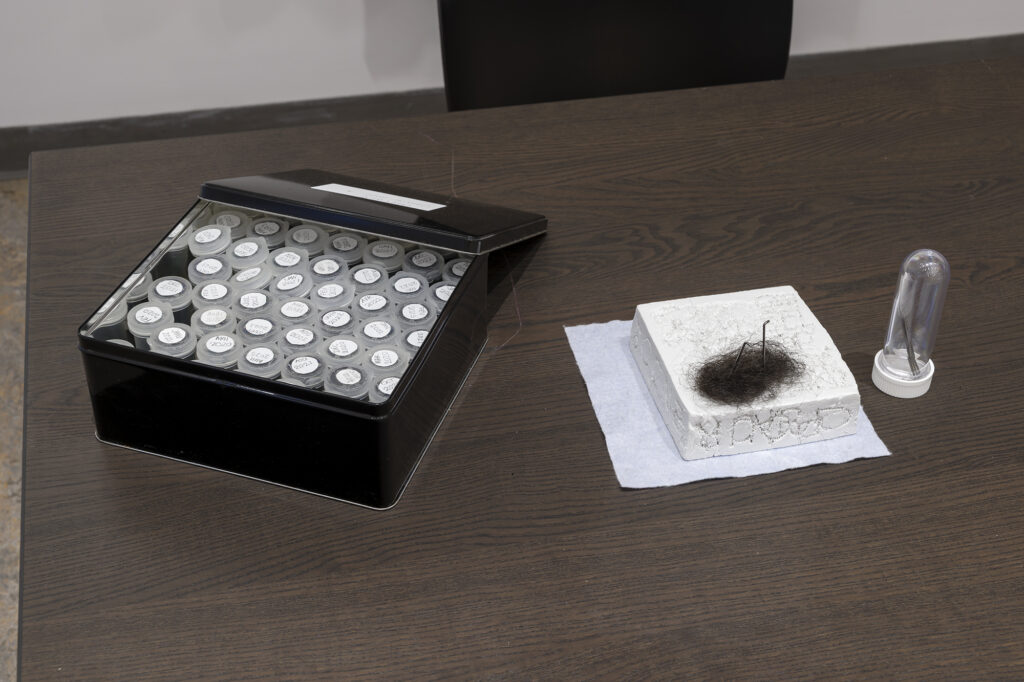
Étiquette is an intimate, evolving work exploring identity, consisting of an installation and a long-duration performance. A white tablecloth—a remnant of family meals—reproduces, in large format, the attributes of a label like those affixed to clothing. The text on both sides, which mimics printed type, is created using the needle-felting technique, substituting the artist’s black hair for traditional carded wool.
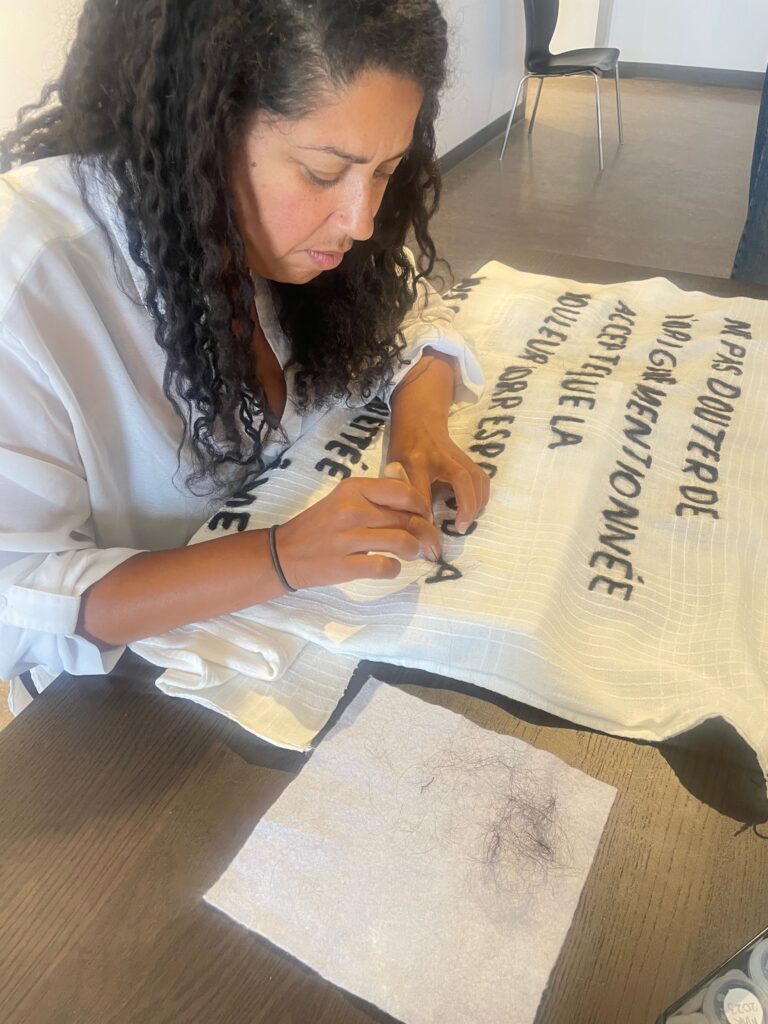
Photo : Marie Perrault
With Étiquette, Nadia Gagné focuses on the symbolism surrounding clothing labels and draws a parallel with the labels we attach to “others” based on perceptions of their appearance. Since 2020, she has been collecting my own hair daily, which I accumulate and organize into small containers. Using the needle-felting technique, she compacts these hair fibers to write words and phrases that reflect the issues that move her. She writes in letters made of hair, just as one signs with one’s blood. She is thus entirely contained within this fiber—another distinguishing mark, after the pigment of my skin—through which she is perceived and associated with territories and cultures to which she does not feel she belongs.
Clara Tissot
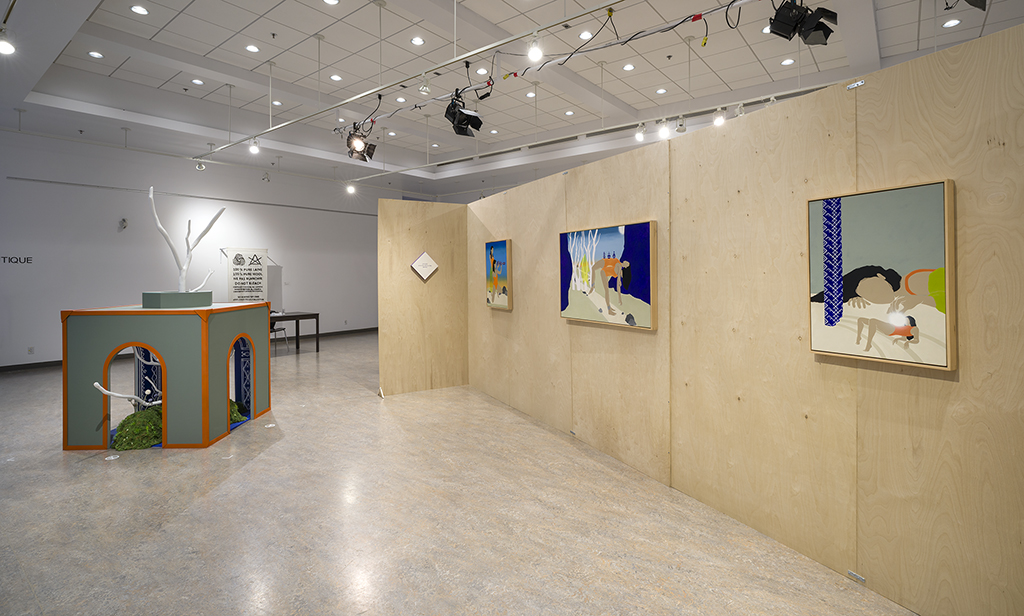
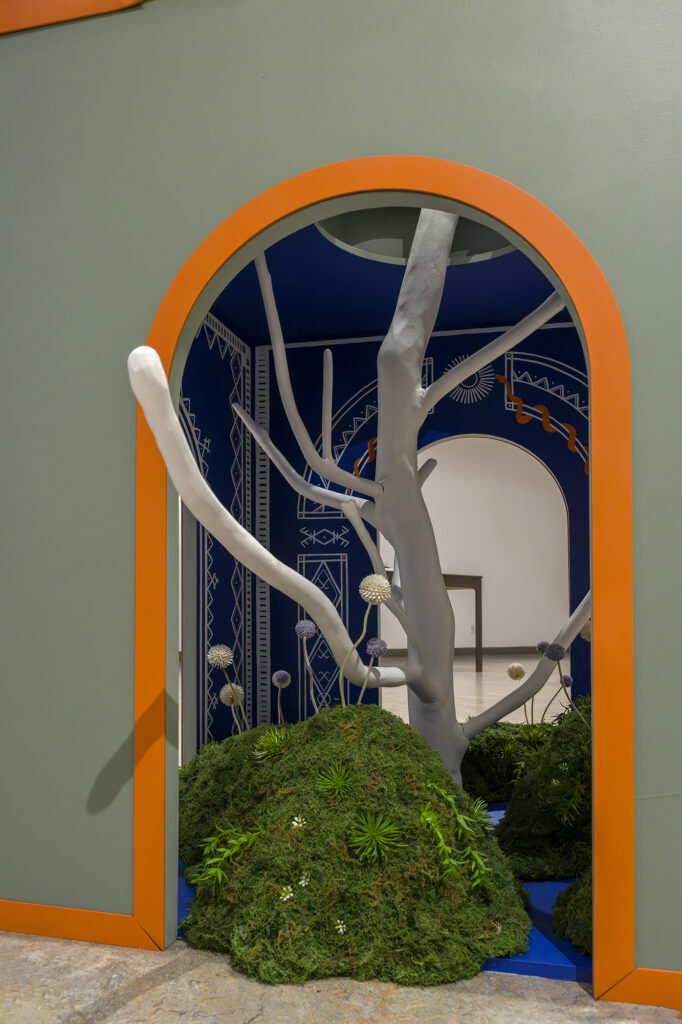
The installation Yiwen n Uxxamiw (Une de mes Maisons) brings together paintings and sculptures representing the beginnings of a reconciliation between two distinct cultures and identities—one French and the other Kabyle, a Berber ethnic group from Algeria—which are intimately linked in the artist’s family heritage. These works intertwine themes rooted in genealogy, femininity, symbolism, and spirituality—questions that have fascinated the artist since childhood. This work also offers a free interpretation of the traditional craft and ritual practices of Kabyle women.
Visually, this personal coming-of-age narrative depicts two women searching for a home in an arid landscape. Their journey brings them face-to-face with objects, flora, and fauna from their past, present, and future, which converge and take shape within the “house” represented by this installation
Stanley Février
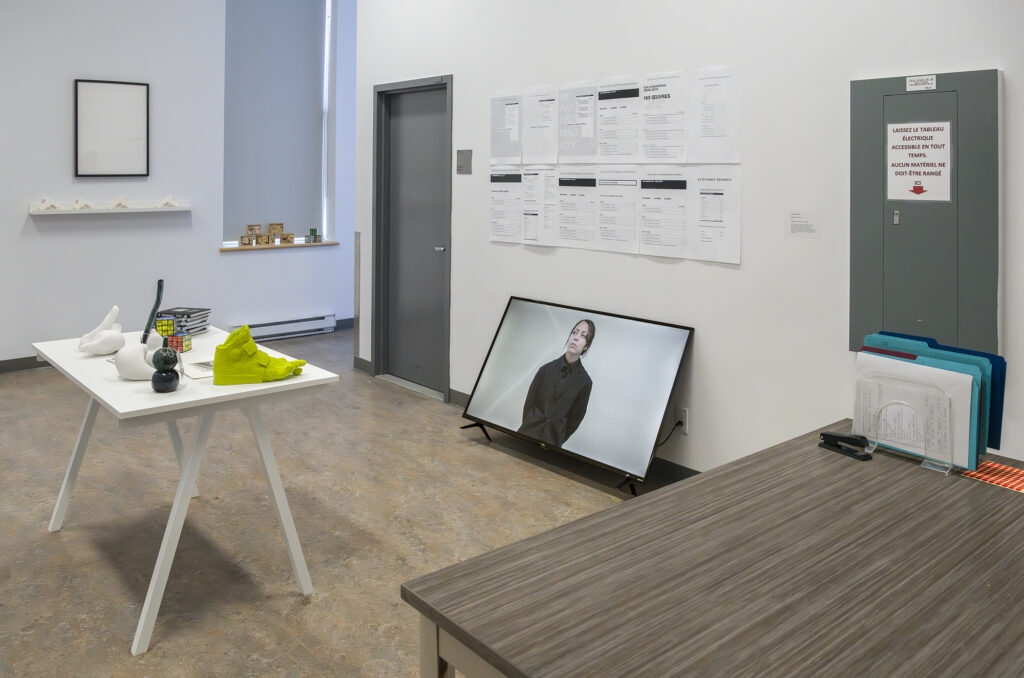
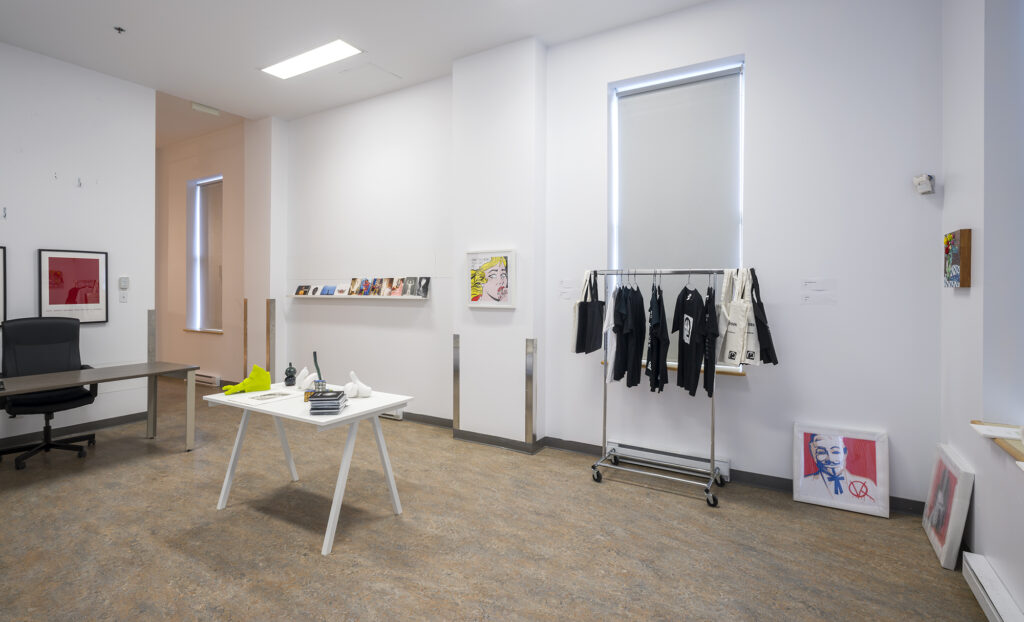
Following the observation of the near-total absence of Black artists and those labeled as “diverse” in the collection of the Musée d’art contemporain de Montréal and other museums—except for their strong presence as security guards — Stanley Février, accompanied by Michaëlle Sergile and Aime Mbuyi, infiltrated the MAC to work there as security guards.
Statistics on the near-total absence of Black artists in the MACM’s collection and a video of Stanley Février, Michaëlle Sergile, and Aime Mbuyi infiltrating the institution as security guards.
ACKNOWLEDGMENTS
This project was supported by the Conseil des arts et des lettres du Québec (CALQ) and the Canada Council for the Arts. It was made possible through a partnership with the Centre culturel Georges-Vanier.
Stanley Février and Marie Perrault thank the artists for their generosity and patience, as well as Nuria Carton de Grammont, who referred them to the Centre culturel Georges-Vanier, and the centers Ada X, Arprim, B-312, Circa, Oboro, and Skol, whose attentiveness and support at various stages of the project made its realization possible.
Marie Perrault thanks Dominique Bilodeau, project manager at the CALQ, for her understanding and support throughout the changes made to the project as it was being carried out.